


Getting lip filler for the first time can feel exciting, nerve-wracking, and full of questions — and that’s completely normal. As a nurse injector, one of my favourite parts of the appointment is helping first-time clients feel informed, comfortable, and confident before we ever begin.
Lip filler is not about changing your face into someone else’s. When done thoughtfully, it’s about enhancing what’s already there, adding soft volume, improving balance, defining the lip border, or restoring hydration and shape in a way that still feels like you.
Before Your Appointment
Your first appointment always starts with a consultation. This is where we talk about your goals, your natural lip shape, your facial features, and what kind of result you’re hoping for. Some clients want a very subtle refresh, while others are looking for more noticeable volume. Both are completely okay , the treatment plan should be tailored to you.
I’ll also review your health history, answer your questions, and discuss what’s realistic for your lips. Not every lip shape will respond the same way, and sometimes the best results happen gradually over multiple appointments rather than trying to do everything at once.
Before treatment, it’s a good idea to avoid alcohol and blood-thinning medications or supplements unless medically required, as these can increase the chance of bruising. Arriving hydrated and well-fed can also help you feel more comfortable during your visit.
During Treatment
Once we’ve created a plan, we’ll take photos, cleanse the area, and apply numbing to help keep you comfortable. Most clients are surprised by how manageable the treatment feels. You may feel small pinches, pressure, or a bit of sensitivity, but we take our time and check in throughout the process.
For first timers, I often recommend starting conservatively. A half syringe can be beautiful for soft definition and a hydrated look, while a full syringe may be better for clients wanting more volume or correction. The goal is always balance, lips that complement your face, not overpower it.
The appointment itself is usually fairly quick, but I never want it to feel rushed. The artistry is in the small details: symmetry, proportion, shape, and knowing when to stop.
After Your Appointment
Immediately after lip filler, your lips may look fuller than expected. This is usually due to swelling and is completely normal. You may also experience tenderness, bruising, firmness, or uneven-looking swelling in the first few days.
The healing process takes time. Most swelling begins to settle within several days, but your final result is usually best assessed around two weeks after treatment. That’s when the filler has had time to integrate and the lips look softer and more natural.
Aftercare is simple but important. Avoid touching or massaging the lips unless instructed, skip intense exercise for the first 24 hours, and avoid excessive heat, alcohol, and pressure on the area right after treatment. I’ll always send you home with clear aftercare instructions, so you know exactly what to expect.
My Advice for First-Timers
Bring inspiration photos if they help but remember that your best result will be based on your own anatomy. The most beautiful lip filler results are the ones that look like they belong to your face.
Ask questions. Share your concerns. Tell me if you’re nervous. A good treatment experience should feel collaborative, never intimidating.
Lip filler should enhance your confidence while keeping you looking like you. For first timers, the best place to start is with a consultation, a realistic plan, and an injector who values natural, balanced results.
This June, we’re offering ½ syringe lip filler for $275 and full syringe lip filler for $400. The perfect time to explore whether lip filler is right for you.
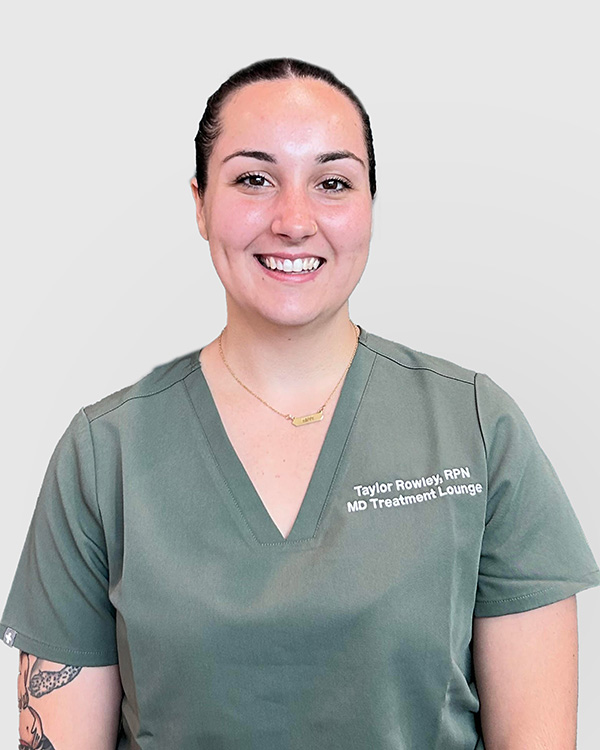
By: Taylor Rowley, Nurse Injector
The information provided in this blog is intended for educational and informational purposes only. It is not intended as a substitute for professional medical advice, diagnosis, or treatment. Always seek the advice of your physician or other qualified healthcare provider with any questions you may have regarding a medical condition or treatment.
The views and opinions expressed in this blog are those of the author(s) and do not necessarily reflect the official policy or position of any other agency, organization, employer, or company. The author(s) are not medical professionals, and the content of this blog should not be interpreted as medical advice.
The effectiveness of any treatments or procedures discussed in this blog may vary from person to person and should be determined in consultation with a qualified medical professional. Any reliance you place on the information provided in this blog is done at your own risk.
The inclusion of any product or service in this blog does not imply endorsement. The author(s) are not responsible for any errors or omissions in the content of this blog or for any damages arising from the use of the information provided herein.
By reading this blog, you agree to release, indemnify, and hold harmless the author(s) from any and all claims, damages, or liabilities arising from your use of or reliance on the information presented herein.